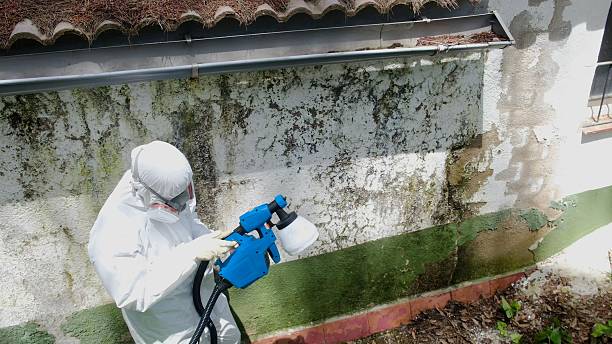
Spotting dark patches, a persistent musty smell, or chronic allergy flare-ups in your home? Those are the early warning signs. Cheap Mold Removal removes mold at the root and keeps it from returning.

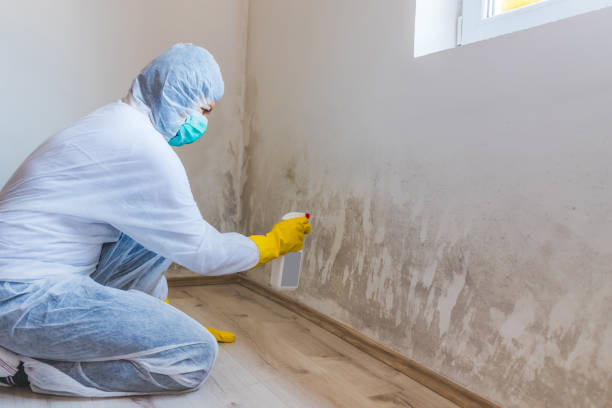
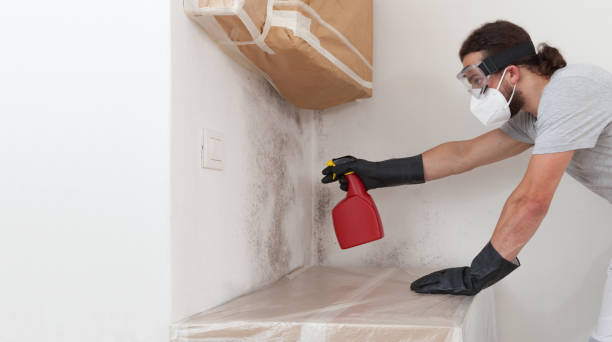
Mold isn't something you want to handle with a bottle of bleach and a weekend afternoon. It hides behind drywall, inside HVAC ducts, beneath flooring — anywhere moisture has settled. At Cheap Mold Removal, we've built our entire operation around one goal: finding every colony, removing it safely, and preventing it from coming back. Our technicians in Glendale are IICRC-certified in Applied Microbial Remediation (AMRT) and trained to handle everything from minor bathroom growth to large-scale infestations following floods or roof leaks.
We've been clearing mold from homes, apartment complexes, offices, and commercial properties across Glendale, AZ for years. Every job follows the IICRC S520 Standard for Professional Mold Remediation — not because we have to, but because cutting corners on containment just means the mold comes back and you pay twice.

That damp, basement-like smell in a room that should be dry is almost always organic growth — mold producing microbial volatile organic compounds (MVOCs) as it digests building materials.
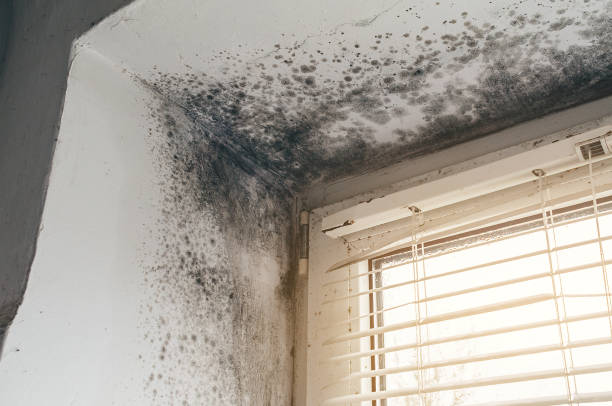
Fuzzy or powdery spots on drywall, ceiling tiles, or behind furniture that's against an exterior wall are strong indicators. Color alone doesn't determine toxicity — lab testing does.
When multiple occupants in the same structure develop similar symptoms — especially respiratory — and those symptoms subside outside the building, air quality testing and a thorough mold inspection are warranted.
Moisture trapped behind walls pushes outward over time, causing paint to bubble and wallpaper to lift at seams. Where there's trapped moisture, there's almost always mold — hidden behind the surface layer.
Any structure that experienced flooding, a burst pipe, an appliance leak, or roof water infiltration within the past 12–24 months is at high risk. Mold can establish within 24–48 hours of moisture exposure on porous surfaces like drywall and subfloor.
Persistent window condensation signals elevated indoor humidity — typically above 60% RH — which is the threshold where common mold species thrive. If you're seeing regular condensation, your HVAC dehumidification may be insufficient.
White chalky staining on basement or foundation walls indicates water is wicking through the concrete. Wherever water wicks, it reaches the finished surfaces on the other side — and those surfaces often support mold growth over time.
Drain pans, evaporator coils, and duct interiors are common mold sites in humid climates. Once mold establishes inside an HVAC system, every time it runs it re-seeds every room in the structure.

We don't offer one-size-fits-all packages. Each Mold Remediation project in Glendale gets a scoped treatment plan based on the species identified, the surface area affected, and the moisture source driving the growth.
Emergency response is where good remediation companies separate from mediocre ones. We establish negative air pressure containment immediately — keeping spores from migrating to unaffected areas of your home while we work.
Most residential mold problems in Glendale, AZ originate in bathrooms, kitchens, basements, crawl spaces, and attics — anywhere condensation collects and lingers. Our residential process follows the IICRC S520 protocol from initial containment through HEPA vacuuming, antimicrobial treatment, and final clearance testing so you get a documented clean bill of health for your home.
We build project timelines around your business schedule, work after hours when required, and provide written clearance reports your property manager, insurer, or legal counsel can rely on.
Crawl spaces are the most overlooked mold habitat in residential properties across Glendale, AZ. Ground moisture, inadequate venting, and dirt floors create exactly the conditions that Cladosporium, Penicillium, and Aspergillus species need. Once established beneath your floor joists, they compromise the wood structure and push spores into the living space above.
Before you can remediate, you need to know what you're dealing with — which species, what spore counts, and where concentrations are highest. Our air sampling and surface testing protocol produces a lab-verified baseline that guides the remediation plan and provides legal-grade documentation of initial conditions.
We remove and treat affected sheathing, address the ventilation deficiency driving the problem, and document clearance so you're not dealing with the same issue after your next damp season.
Our first visit establishes the contamination boundary, identifies the moisture source, and collects baseline air samples — all documented before remediation begins.
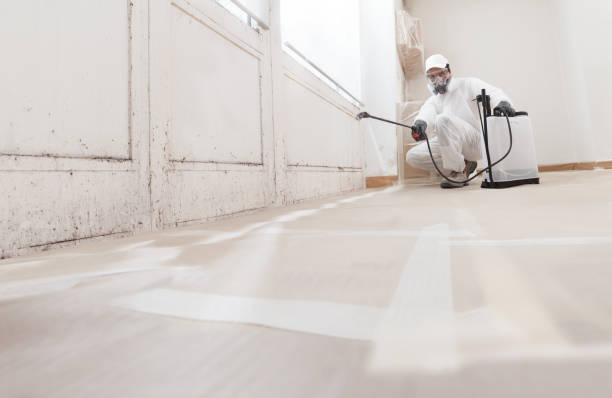
Before any material is disturbed, we seal the work zone with poly sheeting, establish negative air pressure with HEPA-filtered exhaust fans, and protect adjacent areas from cross-contamination.
We never just paint over or encapsulate active mold growth on non-structural surfaces — removal is the standard, and where removal isn't feasible, we document the engineering decision and the alternative treatment protocol.
After remediation, we collect post-clearance air samples and submit them to an AIHA-accredited lab. You receive a written clearance report confirming spore counts are at or below outdoor ambient levels — the standard that matters, not just the absence of visible mold.
Every technician holds current IICRC Applied Microbial Remediation (AMRT) certification. That's the industry credential that separates trained remediation specialists from general contractors who offer mold work as a sideline.
When you call +1-844-833-1325, you reach a live dispatcher who can confirm your slot same-day. No voicemail black holes, no callback windows.
We quote your project before work begins — not after we've opened walls and found a larger problem. If the scope changes, we notify you and get your approval before proceeding. No surprise invoices.
This is the post-remediation verification step that many lower-cost competitors skip. Without it, you have no evidence the mold was actually removed to clearance standards.
Navigating a mold insurance claim is frustrating. We've processed hundreds of claims across Glendale, AZ and know what documentation adjusters need. We provide detailed photo records, moisture readings, scope-of-work reports, and post-remediation clearance for every project.
We scope the rebuild as part of the original project plan so you have one contact, one timeline, and one accountability chain from first call to final walkthrough.

We discovered mold behind our bathroom tiles after removing them for a renovation. The smell was unmistakable. I called Cheap Mold Removal on a Saturday morning expecting to leave a voicemail — someone answered immediately. They arrived within hours, contained the area professionally, and had a written scope ready before lunch. Clean clearance test, zero mold smell after completion.
As a property manager, I've dealt with mold contractors who say the right things and then disappear after removing the visible stuff. Cheap Mold Removal actually ran post-clearance testing and handed me an AIHA lab report I could send directly to the building owner and insurer. That's the professionalism this industry should deliver as standard.
I'm a real estate agent and I now recommend Cheap Mold Removal to any client who needs Mold Remediation — fast, professional, and their clearance documentation is accepted by every lender and insurer I've worked with. That's rare. Some outfits produce reports that adjusters kick back immediately; theirs go through.
My daughter has severe mold allergies and her symptoms had been getting worse all winter. We'd had other companies come and tell us they "didn't see anything major." Cheap Mold Removal ran air sampling and found elevated Cladosporium counts in her bedroom — traced to a condensation problem around the window frame. They fixed the source, treated the framing, and my daughter's symptoms started improving within two weeks of the clearance test passing.
After Hurricane season left us with water intrusion in two rooms, we were worried about what might be growing inside the walls. The moisture readings Cheap Mold Removal took confirmed active dampness in the wall cavity even though it looked dry on the surface. They were right — when they opened it up, mold was growing on the paper backing of the insulation.
We had mold in a daycare facility — which meant we needed documentation our licensing board and parents could trust. Cheap Mold Removal understood the stakes, followed every containment protocol precisely, and delivered a clearance package that included chain-of-custody lab documentation. Exactly what we needed.

Cheap Mold Removal dispatches certified Mold Remediation technicians across Glendale and throughout AZ. Whether you're in the city core or a surrounding suburb, our local dispatch model keeps response times short and our crews familiar with regional construction types and weather-driven moisture patterns.
Our Glendale dispatch unit covers the city and surrounding communities. Call +1-844-833-1325 for same-day assessment availability in your area.

Licensed, certified, and ready to dispatch to Glendale. Call now for upfront pricing and same-day availability.
Call +1-844-833-1325 — Free Assessment